When strong winds and windshear threaten an approach, going around is a vital safety procedure. But a normal go-around and a windshear escape manoeuvre are not the same. Discover why pilots sometimes climb away with the landing gear down and the aircraft configuration unchanged.
When the safest landing is no landing at all
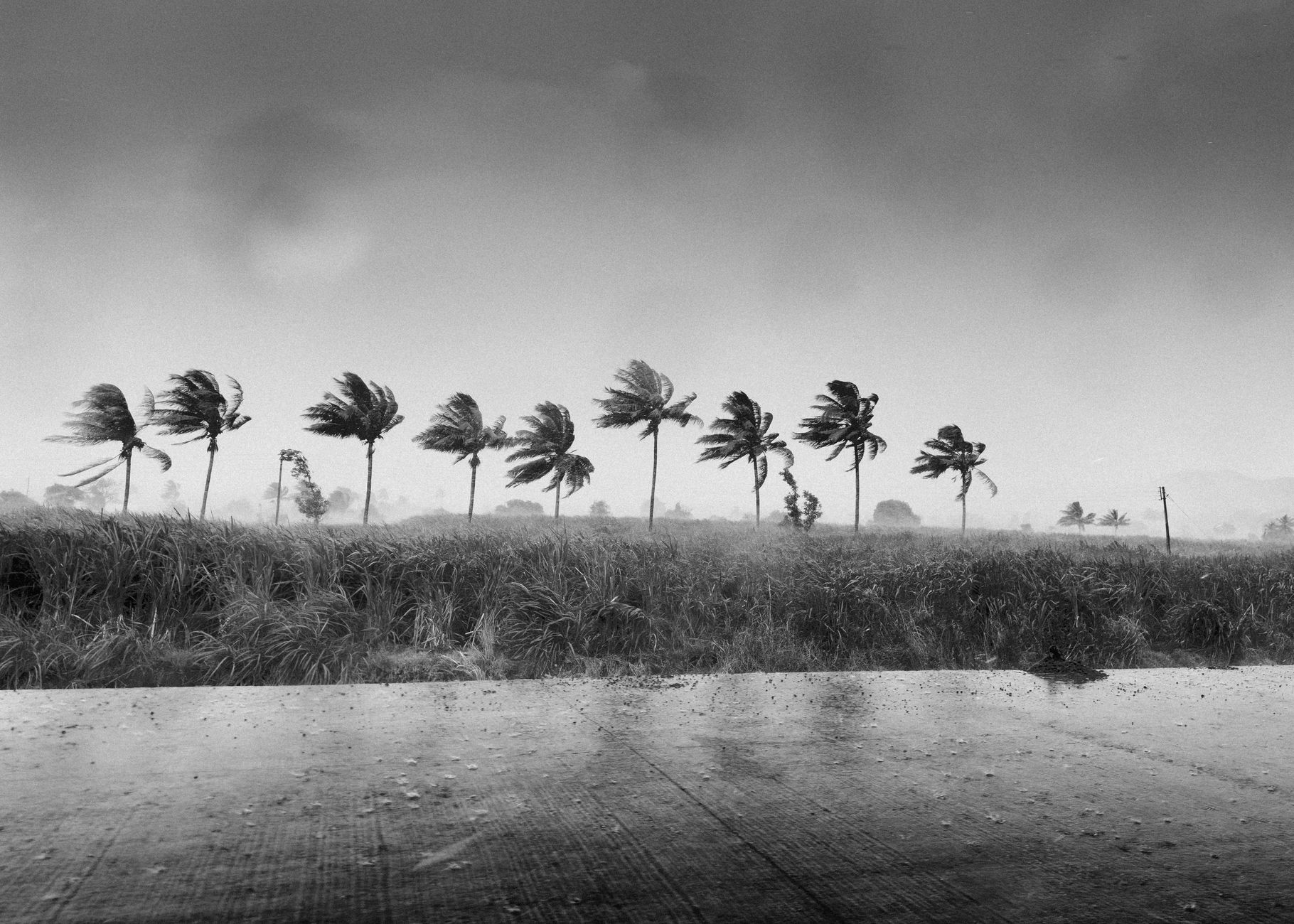
Storm Boelo brought a reminder of how challenging flying can become when strong winds and heavy rain affect an airport. On Saturday, 25 October, several airports in the UK and Ireland reported multiple go-arounds as the weather disrupted operations. Some aircraft landed successfully on a subsequent approach, while another diverted before returning later.
For passengers, a sudden climb away from the runway can be unsettling. You may have been seconds from touchdown when the engines suddenly become louder, the aircraft pitches up, and the runway begins to fall away beneath you.
The natural question is: What just happened?
The answer is often straightforward. The pilots have decided that continuing the landing is no longer the safest option.
In airline operations, this is called a go-around. It is a normal and essential part of flying, not an admission that something has gone wrong. However, when windshear is involved, the situation can be more serious, and the response is different.
Understanding that distinction helps explain why pilots sometimes leave the landing gear down and make no immediate changes to the aircraft’s configuration.
What is a normal go-around?
A normal go-around is a planned, procedural manoeuvre used when the aircraft cannot or should not continue to land.
There are many reasons for one:
- The approach is unstable, perhaps because of excessive speed or an incorrect descent profile.
- The aircraft is not properly aligned with the runway.
- The runway is occupied or an obstacle has been reported.
- Visibility deteriorates, or the required visual references are not available.
- The wind makes the approach or landing unsuitable.
- The pilots decide that the landing criteria have not been met.
The important point is that the decision can be made at any stage of the approach, including very close to the ground.
On the Airbus A320 family, the go-around follows a defined sequence of actions and flight guidance modes. The pilots apply the appropriate thrust, establish the required flight path, monitor the aircraft’s response and follow the published procedure. The flight crew also coordinates with air traffic control as workload permits.
The aircraft is then positioned for another approach, or the crew proceeds to an alternative airport if that is the safer option.
A go-around is not a failure to land. It is a successful decision to discontinue an approach that is no longer suitable.
What makes windshear different?
Windshear is a rapid change in wind speed or direction over a relatively short distance. Near an airport, it can be particularly hazardous because the aircraft is close to the ground and has limited height available in which to recover.
Imagine approaching a runway into a steady headwind. That headwind contributes to the airflow over the wings and helps determine the aircraft’s indicated airspeed.
Now imagine the wind suddenly changing, perhaps from a headwind to a tailwind. The airflow over the wings can decrease rapidly, reducing lift and potentially causing a significant loss of airspeed. Windshear can also involve strong downdrafts, which push the aircraft downwards.
These effects can develop quickly, sometimes leaving the crew very little time to assess the situation.
Airbus describes windshear as a phenomenon that can produce abrupt changes in aircraft performance, airspeed and flight path. Avoidance is preferable whenever conditions allow, but when an encounter occurs, the crew must respond promptly using the applicable procedures.
This is why a windshear escape manoeuvre must not be treated as simply another ordinary go-around.
A normal go-around versus a windshear escape
Although both manoeuvres can result in the aircraft climbing away from the runway, they have different priorities.
| Normal go-around | Windshear escape |
|---|---|
| Discontinues an approach that is no longer suitable for landing. | Responds to a windshear threat or encounter. |
| Follows the applicable go-around procedure and flight guidance. | Follows the specific windshear procedure applicable to the aircraft and situation. |
| The flight crew manages thrust, flight path and configuration in accordance with the procedure. | The immediate priority is to escape the windshear while protecting the aircraft’s energy and flight path. |
| Configuration changes are made at the appropriate stages as the aircraft climbs. | Configuration changes that are not permitted by the escape procedure are avoided until the required conditions are met. |
| The crew may subsequently reposition for another approach. | The crew first focuses on escaping the hazard; the next steps depend on the situation. |
A key distinction is that a windshear escape is not the time to prioritise a tidy, fully cleaned-up aircraft. The immediate task is to follow the escape procedure and achieve the best possible flight path through a potentially dangerous wind field.
The exact actions are aircraft and procedure-specific. A predictive windshear warning before entering the affected area is also different from a reactive warning after the aircraft has encountered windshear. The response must reflect the warning and the applicable flight crew procedure.
Why does the landing gear sometimes stay down?
This is one of the most interesting details for passengers watching an aircraft climb away from the runway.
During a normal go-around, the landing gear is generally retracted when the appropriate conditions and procedure call for it. Removing the gear reduces drag and helps the aircraft climb more efficiently.
During a windshear escape, however, the priorities change.
The crew must follow the applicable escape procedure rather than assume that the normal go-around sequence applies.
On the Airbus A320 family, the windshear escape procedure has specific requirements for pitch, thrust, flight guidance and configuration. The landing gear is not simply retracted as part of the usual clean-up sequence; its position is governed by the applicable procedure.
Why does that matter?
First, the aircraft is operating in a potentially severe and rapidly changing airflow. The flight crew’s attention must remain on the escape manoeuvre and the aircraft’s response.
Second, unnecessary configuration changes can introduce additional workload at precisely the wrong moment. A windshear escape is a procedure designed around immediate priorities, not a routine transition to a clean climb.
Third, the aircraft must be flown in accordance with its approved procedure. Pilots should not improvise configuration changes based on what would normally happen during an ordinary go-around.
It is important not to interpret the landing gear remaining down as a way of improving climb performance. Extended landing gear generally increases drag. Rather, its position reflects the requirements of the applicable escape procedure and the priority of managing the immediate threat.
The same principle applies to the rest of the aircraft’s configuration. Pilots do not automatically retract the flaps or make other clean-up changes just because the aircraft is climbing.
In short: during a windshear escape, the crew follows the escape procedure first. The normal configuration clean-up sequence does not take priority over escaping the hazard.
Why doesn’t the aircraft configuration change immediately?
The term configuration refers to the aircraft’s physical aerodynamic setup, including flap and slat positions and landing gear position.
During an approach, the aircraft is configured for landing. The flaps and slats provide additional lift and allow the aircraft to operate at lower speeds, while the landing gear is extended for touchdown.
After a normal go-around, the aircraft transitions towards a climb configuration in accordance with the approved procedure. This helps balance lift, drag, speed and climb performance as the aircraft moves away from the runway.
A windshear escape is different because the aircraft may be experiencing rapidly changing airspeed, vertical movement and flight path deviations.
Changing the configuration at the wrong time could add workload and may not be permitted by the procedure. The crew instead concentrates on the prescribed escape manoeuvre and monitors the aircraft’s response.
This does not mean that the aircraft must remain in its landing configuration indefinitely. Configuration changes are made when the applicable procedure and aircraft conditions allow them.
The important distinction is between a normal, orderly climb away from the runway and an escape manoeuvre in which the immediate threat dictates the priorities.
What do the pilots actually do?
Passengers sometimes imagine that the pilots simply push the thrust levers forward and pull back on the controls. In reality, the response is structured, practised and supported by aircraft systems.
Depending on the warning and situation, the crew may need to:
- Recognise the windshear threat or warning immediately.
- Apply the thrust and flight-control inputs specified by the applicable procedure.
- Use the appropriate flight guidance modes and indications.
- Monitor pitch attitude, airspeed, flight path and the aircraft’s response.
- Avoid unnecessary configuration changes during the critical phase.
- Coordinate between the pilots, maintaining clear task allocation and communication.
- Inform air traffic control when workload and the immediate situation permit.
The Airbus flight guidance system provides specific support for the windshear escape manoeuvre. However, automation does not remove the need for the pilots to recognise the threat, apply the correct procedure and monitor the aircraft.
This is one reason recurrent simulator training is so important. Windshear encounters are relatively uncommon, but the required response must be familiar enough to execute correctly under pressure.
Can pilots always climb away from windshear?
No. It is important to be clear about this.
A windshear escape manoeuvre is designed to maximise the aircraft’s chances of escaping the hazard, but severe downdrafts and wind changes can be powerful enough to exceed the aircraft’s available climb capability.
That is why anticipation and avoidance matter so much.
Pilots use weather reports, air traffic control information, observations, onboard weather radar and predictive windshear systems to identify potential threats. If windshear is suspected or reported, the crew may delay the approach, hold, divert or choose another course of action in accordance with the conditions and procedures.
If an aircraft is already committed to an approach and the relevant windshear warning occurs, the crew must respond according to the applicable procedure rather than attempt to salvage the landing.
There is no prize for touching down at the first attempt. The objective is to complete the flight safely.
What does this mean for passengers?
If your aircraft suddenly climbs away from the runway, there is no need to assume that an emergency has occurred.
A go-around is a recognised safety manoeuvre, and it is performed whenever the flight crew decides that landing is not the best option.
You may notice the engines becoming louder, the aircraft pitching up, or the landing gear remaining extended for longer than you expected. Those observations alone do not tell you exactly why the manoeuvre was initiated.
In unsettled weather, a go-around can be the result of wind conditions, an unstable approach, runway conditions or a windshear warning. The crew’s response depends on the situation.
Sometimes the aircraft will make another approach shortly afterwards. On other occasions, the safest option is to hold while conditions improve or divert to another airport.
From the cabin, it may feel unexpected. From the flight deck, the decision is part of managing risk.
The final approach is not a commitment to land
Storm Boelo was a reminder that weather can disrupt even well-established airline operations. Strong winds, heavy rain and changing conditions require pilots to continually reassess whether an approach remains safe.
A normal go-around and a windshear escape may look similar from the passenger cabin, but they serve different purposes. One discontinues an approach that should not continue; the other responds to a potentially serious atmospheric hazard.
That difference explains why the aircraft’s configuration may not change in the way passengers expect. In a windshear escape, the crew follows the specific procedure and prioritises getting the aircraft clear of the hazard before proceeding with any permitted configuration changes.
The next time you hear the engines spool up and feel the aircraft climb away just before landing, remember this: landing is the plan, but a safe flight is the objective.
And sometimes, the safest thing a pilot can do is go around.
Leave a Reply