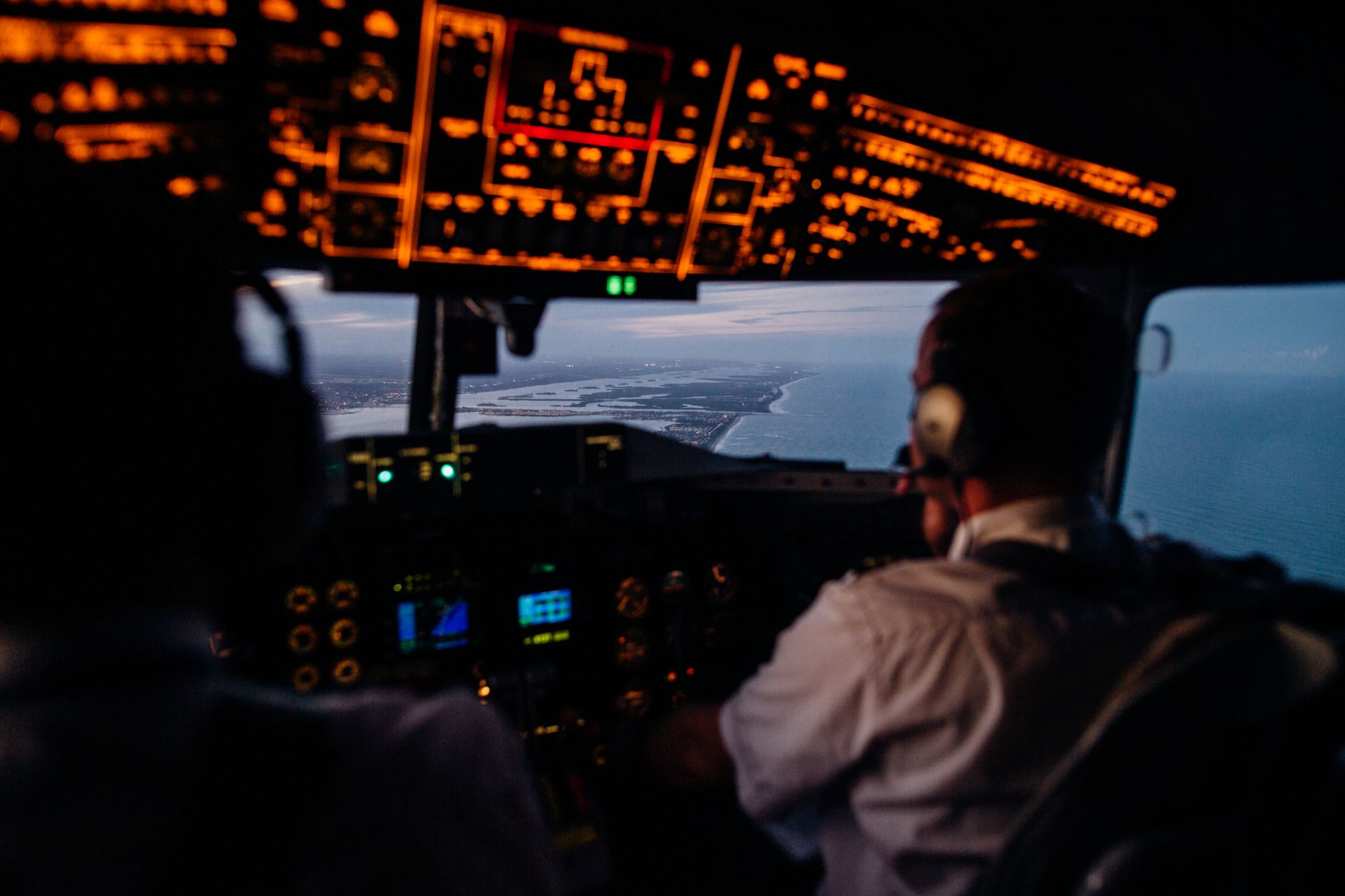
Once an aircraft reaches cruising altitude, settles into level flight and the seatbelt signs are switched off, it can appear that the hard work is over. From the passenger cabin, the flight might seem almost effortless. But what is actually happening on the flight deck?The truth is that cruise is far from a hands-off part of the flight.
Monitoring the aircraft
One of our biggest responsibilities during cruise is monitoring the aircraft.
Even with the autopilot engaged, we are constantly keeping an eye on the aircraft’s performance, flight path, engine indications, fuel consumption and weather conditions.
The autopilot is an incredibly capable system, but it doesn’t replace the pilots. We remain responsible for ensuring everything is operating as expected and intervening whenever necessary.

Planning what comes next
We are also looking ahead.
That means reviewing the weather at our destination, checking expected arrival procedures, considering runway changes and keeping an eye on any potential turbulence along the route.
On longer flights, fuel monitoring is particularly important. We regularly compare actual fuel remaining against our flight plan to make sure everything is progressing as expected.
Talking to Air Traffic Control
Cruise is also a busy period for radio communications.
We receive instructions from Air Traffic Control, request altitude changes when appropriate and coordinate with different control sectors as we cross national boundaries.
Sometimes we might be asked to change our route or altitude to help manage traffic or avoid weather.

Always thinking ahead
One thing I have learned over the years is that good pilots are always thinking a few steps ahead.
We are not simply monitoring what the aircraft is doing right now. We are considering what might happen next and preparing accordingly.
So, next time you settle back into your seat and enjoy the view from 35,000 feet, remember that things on the flight deck are a little busier than they might appear!
The aircraft may be flying itself, but the pilots are very much still flying the aircraft.